Cold Chain 3PL: What Brands Need to Know Before Choosing a Fulfillment Partner
Looking for a cold chain 3PL? Learn what separates a purpose-built provider from one that just added a refrigerator — and how to run a structured evaluation that gives you comparable data, not just the best sales pitch.
Finding a cold chain 3PL is not like finding a standard fulfillment partner. The margin for error is smaller. The infrastructure requirements are more specific. And the cost of a bad fit — spoiled product, missed compliance windows, lost retailer relationships — is higher than most brands anticipate before they've lived through it.
This guide is for brands that are actively evaluating cold chain fulfillment options or outgrowing their current setup. Here's what to understand before you sign anything.
What Is a Cold Chain 3PL?
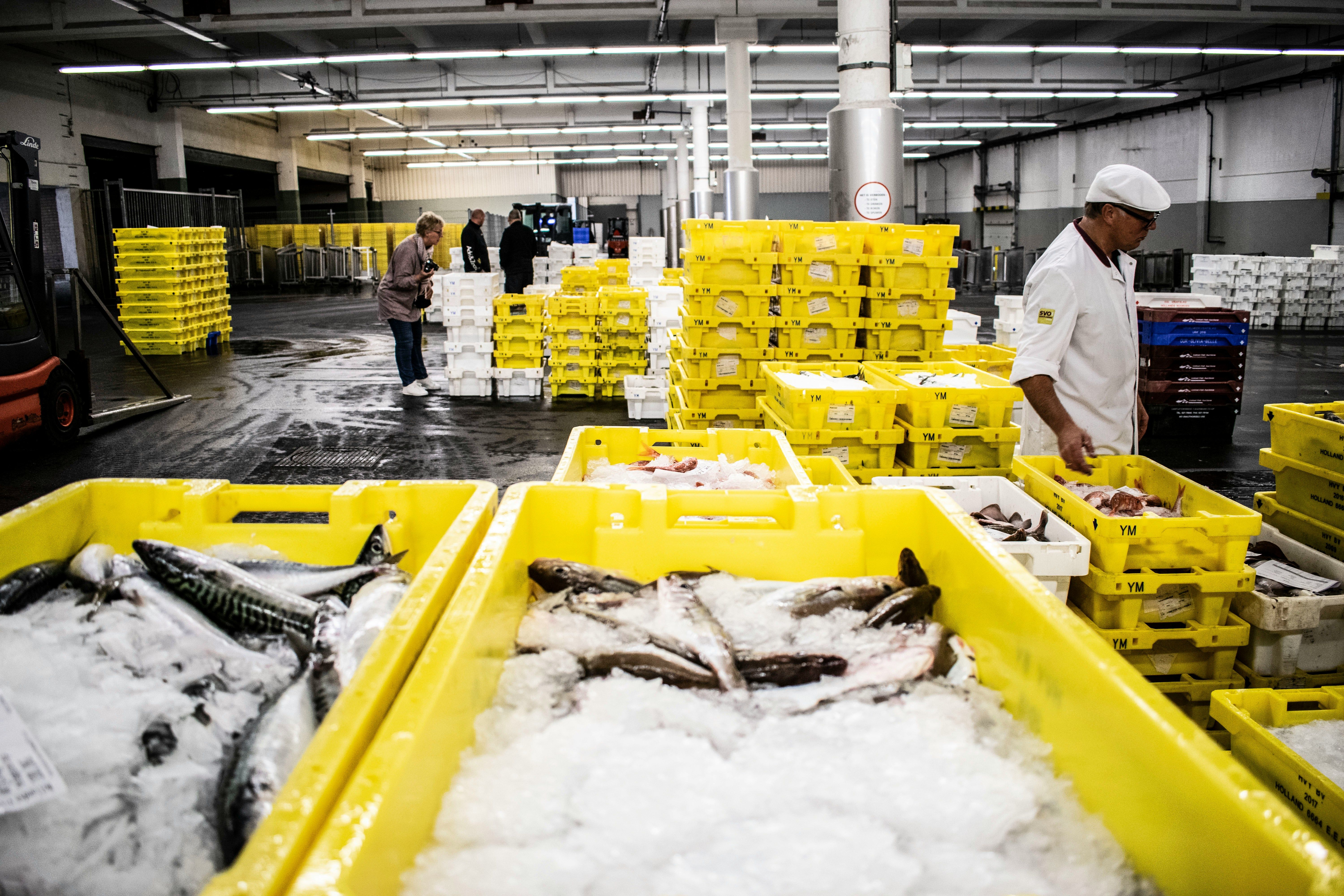
A cold chain 3PL is a third-party logistics provider that specializes in temperature-controlled storage, handling, and shipping. Instead of ambient warehousing, they operate refrigerated and frozen environments — and in some cases, multi-temperature zones within the same facility.
The "chain" in cold chain refers to the unbroken temperature-controlled sequence from manufacturer to end customer. A single break in that chain — a loading dock left open too long, a carrier without a refrigerated trailer, a customs delay with no dry ice replenishment — can compromise an entire shipment.
For brands selling food, beverage, supplements, pharmaceuticals, cosmetics, or any product with a temperature sensitivity, this matters.
Why Standard 3PLs Fall Short
It's tempting to ask your existing 3PL if they can "add cold storage." Some can. Most can't do it well.
Cold chain logistics requires specialized infrastructure that ambient warehouses aren't built for: precise temperature monitoring systems, redundant refrigeration, trained staff who understand product handling protocols, and carrier relationships with temperature-controlled last-mile options.
Beyond infrastructure, cold chain 3PLs operate under different compliance requirements — including FDA, FSMA, and in some cases USDA oversight depending on your product category. A general fulfillment provider without that operational foundation is a liability, not a solution.
The 5 Things Brands Get Wrong When Evaluating a Cold Chain 3PL
1. Evaluating Storage Temperature Without Auditing Transit
A 3PL can have a perfectly maintained 34°F facility and still fail you at the last mile. If their carrier network doesn't include temperature-controlled ground and air options, your product is exposed the moment it leaves the dock.
Ask specifically: how do they handle last-mile temperature control? What carriers do they use? What are their protocols for delay scenarios?
2. Ignoring Minimum Volume Requirements
Many cold chain 3PLs have high minimum volume thresholds — partly because refrigerated infrastructure is expensive to operate. Brands that are growing but haven't hit significant scale often get deprioritized or priced out.
Before investing time in a provider evaluation, confirm that your volume profile actually qualifies you as a fit. This saves time on both sides.
3. Not Asking About Multi-Temperature Capability
If your product line includes both refrigerated and frozen SKUs — or if you anticipate adding them — you need a 3PL that can handle multi-temperature zones within a single operation.
Co-mingling ambient and cold products is a compliance and handling risk. Make sure the facility is set up to handle your full catalog, not just your current SKUs.
4. Underestimating Compliance Documentation Requirements
Cold chain 3PLs operating in regulated categories are expected to maintain detailed temperature logs, chain-of-custody documentation, and in some cases, certificates of compliance per shipment.
If your 3PL can't produce that documentation on demand, you're exposed in an audit, a retailer compliance check, or a customer dispute. Ask to see a sample compliance report before you sign.
5. Choosing Based on Location Alone
Node location matters in cold chain logistics — but it's not the only variable. A facility that's geographically optimal but under-resourced for your product category is still the wrong choice.
Prioritize fit first: does this provider have experience with your product type, your retail channels, and your compliance requirements? Then layer in geography.
Questions to Ask a Cold Chain 3PL Before You Commit
These aren't trick questions. They're the ones that separate providers who have genuinely built for cold chain from those who've added a refrigerator to a standard warehouse.
- What temperature ranges do you support, and how do you monitor and document them?
- What's your protocol if refrigeration equipment fails overnight or on a weekend?
- Which carriers do you use for temperature-controlled last-mile delivery?
- Have you worked with brands in my product category before? Can you provide a reference?
- What compliance certifications does your facility hold?
- What's your minimum monthly volume requirement?
- How do you handle returns for cold chain products?
How to Structure Your Cold Chain 3PL Evaluation
The biggest mistake brands make in any 3PL evaluation — cold chain or otherwise — is running it informally. A few calls, a site visit, a proposal. Then a gut-feel decision.
That process doesn't give you comparable data. It gives you whoever makes the best impression.
A structured RFP process fixes this. You define your requirements upfront — volume, temperature specs, SKU complexity, compliance needs, geographic coverage — and give every provider the same brief to respond to. The result is a set of proposals you can actually compare.
You stay in control of the process. The data does the work.
That's the infrastructure Slotted provides.
The Bottom Line
Cold chain fulfillment is high-stakes logistics. The wrong 3PL partner doesn't just create operational headaches — it puts your product quality, your compliance standing, and your retailer relationships at risk.
Evaluate with structure. Ask hard questions early. And don't choose based on whoever responds fastest.
More wins. Less waste.