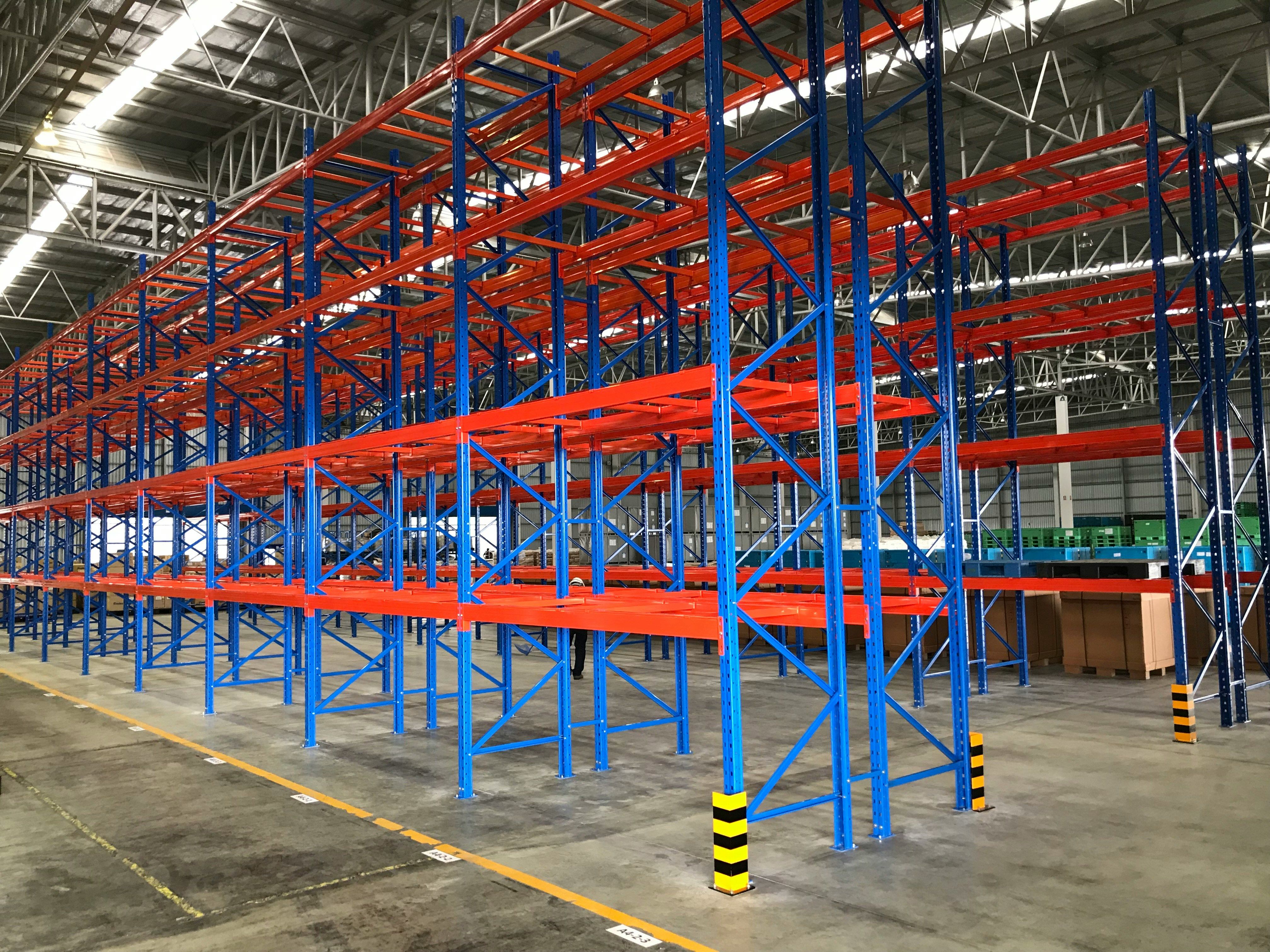
Fulfillment Center vs. 3PL Warehouse: What's the Real Difference?
A fulfillment center is a building. A 3PL is the company that runs it. "3PL warehouse" isn't a separate category, it's the two getting mashed together. This post untangles the terms and shows why the distinction matters once you're comparing providers, not just browsing.
If you've searched "fulfillment center vs 3PL warehouse," here's the short version: a fulfillment center is a building, and a 3PL is the company that runs it. "3PL warehouse" isn't a third category. It's what happens when two correct terms get mashed into one, and it's worth untangling before you evaluate anyone.
Is there a real difference between a fulfillment center and a 3PL warehouse?
Not in the way the phrase implies. "3PL warehouse" usually means one of two things: a warehouse that a third-party logistics company operates on a brand's behalf, or simply a fulfillment center someone is describing loosely by naming both the operator and the building in one breath.
Either way, there's no separate industry category called a "3PL warehouse" that's distinct from a fulfillment center. The confusion comes from the fact that most fulfillment centers a growing brand encounters happen to be run by a 3PL, so the two labels get stuck together in conversation and in search. They describe two different things: one is a company, the other is a building.
Getting this straight matters more than it sounds like it should. If you're writing an RFP, comparing quotes, or reading a contract, mixing up "who" (the 3PL) with "where" (the fulfillment center) is how brands end up evaluating the wrong thing, like judging a provider entirely on one facility's specs when the actual relationship spans the company's systems, account team, and network.
What is a fulfillment center?
A fulfillment center is a facility that stores a brand's inventory and handles what happens between an order coming in and a package landing on a customer's doorstep: receiving, storage, pick and pack, shipping, and returns. It's built around processing individual customer orders, which is what separates it from a traditional warehouse built around bulk, long-term storage.
A fulfillment center can be operated in three ways: by a 3PL on behalf of multiple brands, by a marketplace program like Amazon FBA, or in-house by a single brand running its own facility. The building itself doesn't tell you which of these it is. That's determined by who runs it and how, not by anything about the physical space.
For the full breakdown of what actually happens inside one, from receiving through returns, see What Does a Fulfillment Center Do?
What is a 3PL?
A third-party logistics provider, or 3PL, is a company a brand hires to handle fulfillment, warehousing, and shipping instead of doing it in-house. According to the Association for Supply Chain Management, 3PL services can include transportation, warehousing, cross-docking, inventory management, and packaging, bundled under one outsourced relationship.
A 3PL is the business you sign a contract with, not the address on the shipping label. It typically operates one or more fulfillment centers, often serving dozens of brands out of the same building, and it's the entity responsible for the account team, the technology, the pricing structure, and the service levels you're actually agreeing to.
This is the piece that gets lost in "3PL warehouse": the 3PL is who you're evaluating as a long-term partner. The warehouse is just where the work happens.
Fulfillment center vs. 3PL vs. warehouse: how the three terms relate
Three different things, often confused because they overlap in practice:
- Warehouse: The broadest term. A building that stores goods. It may or may not process individual customer orders, and it may or may not be run by a 3PL.
- Fulfillment center: A specific type of warehouse built around order-level fulfillment: receiving, storage, pick and pack, shipping, and returns for direct-to-consumer or wholesale orders.
- 3PL: The company. It's not a building at all. A 3PL operates fulfillment centers (and sometimes broader warehousing) on a brand's behalf.
So "3PL warehouse" is really shorthand for "a fulfillment center that a 3PL operates," which describes the most common setup a scaling brand runs into, but it's still describing two different things layered together, not a distinct third term.
Does this distinction actually matter for your search?
Yes, mainly once you move from browsing to comparing. When you're building a shortlist or running an RFP, precision here changes what you're actually measuring. A facility's square footage and dock doors tell you about one building. The 3PL's account structure, system integrations, pricing model, and track record across its other locations tell you about the company you'd be tied to for the length of a contract.
Brands that keep the two conflated tend to shortlist on facility specs alone and then get surprised later by things that were always about the company, not the building: how support is staffed, how quotes are structured, how the relationship holds up once volume changes. Once the vocabulary is clear, the actual decision is a strategy question, not a definitions problem. That's covered in 3PL Selection Strategy: Why Fit Isn't a Filter, which is the practical next step once you know what you're comparing.
Frequently Asked Questions
Is a 3PL warehouse the same thing as a fulfillment center? In practice, yes, when someone says "3PL warehouse" they almost always mean a fulfillment center that's operated by a third-party logistics company. It's not a separate facility type; it's a fulfillment center described by naming its operator.
Can a warehouse be both a fulfillment center and a 3PL? No. A warehouse or fulfillment center is a building. A 3PL is the company. A single 3PL can operate a fulfillment center, a bulk-storage warehouse, or both, but the company and the building are never the same thing.
Do all 3PLs operate fulfillment centers? Most that serve DTC and wholesale brands do, but some 3PLs specialize in freight, transportation, or bulk warehousing without doing order-level pick and pack. Confirming this upfront avoids assuming a provider has fulfillment capabilities it doesn't.
Which term should I use when I'm running a fulfillment RFP? Use "fulfillment center" when you mean the facility and its capabilities, and "3PL" or "provider" when you mean the company you'd be contracting with. Keeping them separate in your RFP language makes it clearer what you're actually scoring.
Does the fulfillment center vs. 3PL distinction affect pricing? Indirectly. Facility characteristics (location, automation, capacity) influence rate cards, but the 3PL sets the pricing structure, account minimums, and contract terms. Two brands in the same fulfillment center can end up with different pricing depending on which 3PL negotiated their agreement.
Ready to see how providers who actually fit your operation compare? Start a free RFP on Slotted and get structured, side-by-side proposals instead of a stack of PDFs to decode on your own.