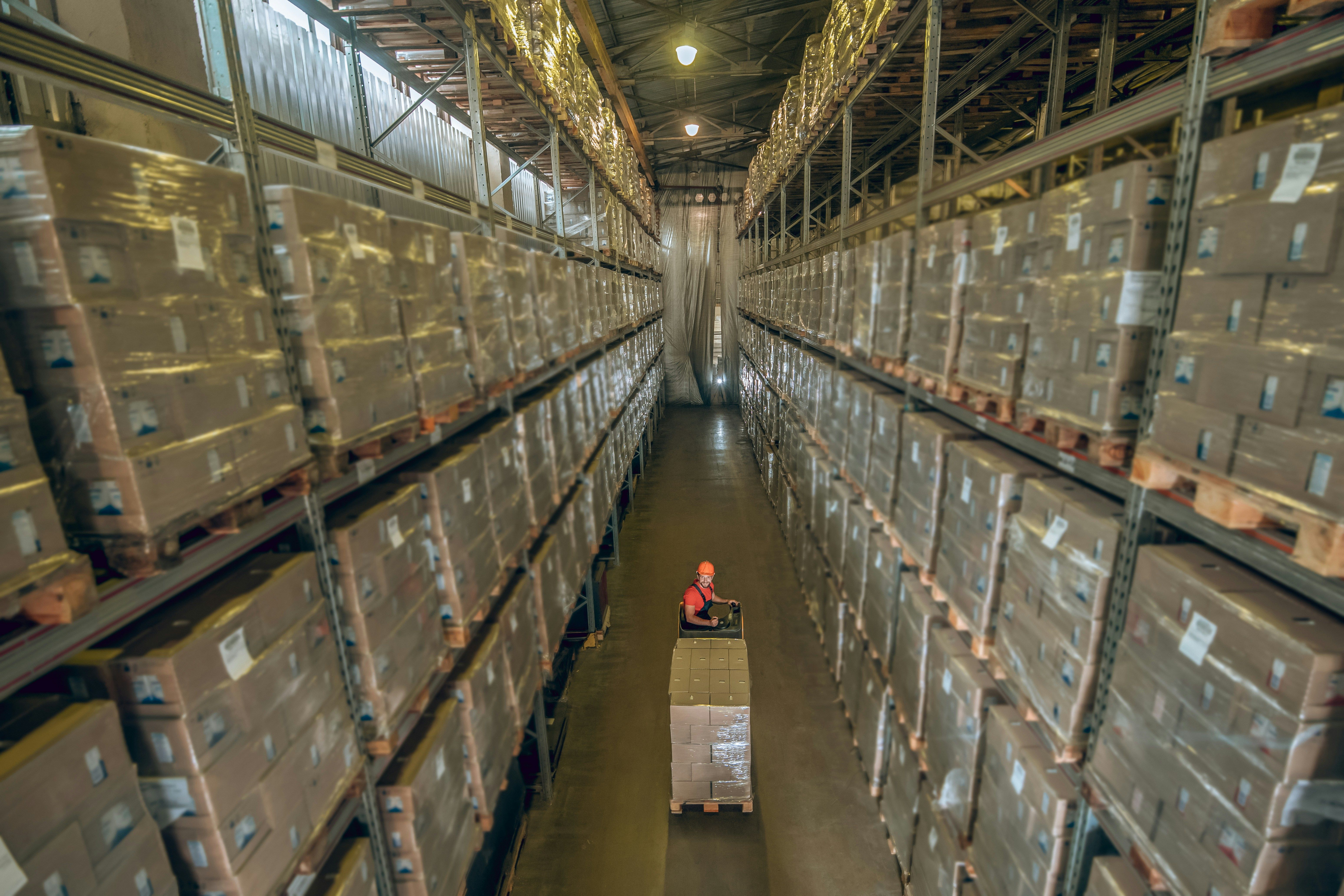
How to Define Your Inbound Realities to Find the Right Fulfillment Fit
Learn how to document inbound logistics patterns that determine 3PL capability. Clear inbound definition helps you find fulfillment partners built for how inventory actually arrives.
Most brands focus on what leaves the warehouse. Orders per month. Shipping zones. Delivery speed.
But fulfillment fit is determined just as much by what comes in.
How inventory arrives at a warehouse — the frequency, the volume, the packaging, the predictability — shapes a 3PL's labor planning, space allocation, and receiving workflows. A provider optimized for container loads from overseas cannot easily handle daily LTL shipments from domestic suppliers. A warehouse designed for predictable replenishment struggles with erratic inbound patterns.
Inbound realities are not glamorous. They are rarely discussed in RFPs. But they determine whether a fulfillment partnership works smoothly or creates constant friction.
Why Inbound Matters as Much as Outbound
Outbound fulfillment gets the attention because it is customer-facing. Fast shipping wins reviews. Accurate orders build loyalty. Damaged packages create complaints.
But inbound logistics determine whether outbound can happen at all.
If your inventory arrives faster than a 3PL can receive it, you create dock congestion and storage chaos. If your inbound timing is unpredictable, the provider cannot schedule labor effectively. If your suppliers ship in non-standard configurations, receiving takes longer and costs more.
Inbound misalignment does not always surface during the RFP process. It emerges three months in, when your provider starts charging detention fees, complaining about receiving delays, or pushing back on your replenishment schedule.
Defining your inbound realities upfront eliminates that surprise.
The Core Inbound Characteristics That Define Fulfillment Fit
When evaluating fulfillment options, these inbound logistics patterns matter most:
Inbound Frequency and Volume
How often inventory arrives and in what quantities shapes receiving capacity and labor needs.
What to document:
- Frequency of inbound shipments (daily, weekly, monthly, seasonal)
- Average units or pallets per shipment
- Whether shipments are scheduled or ad hoc
- Seasonal spikes in inbound volume (Q4, product launches)
Why it matters: A 3PL's receiving operation is sized for a specific throughput. If you ship small batches daily, you need a provider with flexible daily receiving. If you ship container loads quarterly, you need a provider with the dock space and labor to handle large, infrequent arrivals.
Inbound Method and Carrier Type
Not all shipments arrive the same way.
What to document:
- Percentage of inbound by method (full truckload, LTL, parcel, container)
- Whether you use freight forwarders, direct from manufacturers, or domestic supplier
- If shipments are floor-loaded, palletized, or in mixed configurations
- Whether you manage inbound freight or the supplier does (FOB terms)
Why it matters: Receiving a full container is operationally different from receiving five LTL shipments. Container unloading requires dock appointments, labor teams, and time. LTL is more flexible but introduces variability. If your inbound methods do not match the provider's receiving workflows, inefficiency follows.
Supplier Behavior and Quality Control
Your suppliers determine how ready inventory is to receive.
What to document:
- Number of active suppliers (one manufacturer vs. dozens of vendors)
- Supplier consistency (do shipments always arrive as expected?)
- Labeling and packaging standards (do suppliers use your SKU labels or theirs?)
- Whether inbound inventory requires inspection, counting, or QC
Why it matters: A 3PL that receives from one manufacturer with perfect labeling and consistent packaging can move fast. A 3PL that receives from 20 suppliers with inconsistent labeling, no advance notice, and frequent errors needs more labor and inspection time. That labor costs money.
Advance Notice and Predictability
The difference between scheduled and surprise shipments is massive.
What to document:
- How much advance notice you can provide (days, hours, none)
- Whether you use ASNs (Advance Ship Notices) or other receiving alerts
- Variability in timing (do shipments arrive when expected or get delayed?)
- Whether you batch shipments or allow suppliers to ship independently
Why it matters: Providers schedule labor based on expected receiving volume. If you can provide 48 hours notice with ASNs, they can plan accordingly. If shipments arrive randomly without warning, they either overstaff (expensive) or understaff (slow receiving, detention fees).
Inbound Packaging and Storage-Ready Status
Inventory can arrive ready to store or require significant prep work.
What to document:
- Whether products arrive in retail-ready packaging or bulk
- If units need to be broken down from cases, repackaged, or relabeled
- Whether you require receiving inspection for every shipment
- If products need to be lotted, serialized, or expiration-date tracked
Why it matters: Receiving is not just unloading a truck. If inventory arrives bulk-packed and needs to be broken down, labeled, and inspected before it can be stored, that is value-added receiving work. Not all providers offer it. Those that do charge for it.
Returns and Reverse Logistics Inbound
Returned inventory is inbound logistics, too.
What to document:
- Volume of returns (percentage of outbound orders)
- How returns arrive (parcel, bulk, from retail partners)
- Inspection and disposition requirements (restock, refurbish, dispose)
- Whether returns come to the same facility as new inventory
Why it matters: High return rates create receiving volume that is harder to predict than new inventory. Returns also require inspection labor, disposition decisions, and often cannot be immediately restocked. Providers with strong reverse logistics capabilities treat this as routine. Others treat it as an exception.
International Inbound and Customs Complexity
If your inventory crosses borders, inbound gets more complicated.
What to document:
- Percentage of inbound that is international
- Countries of origin
- Whether you have an importer of record or need the 3PL to handle customs
- Duty and tariff management needs
- Compliance documentation requirements
Why it matters: International receiving introduces customs clearance, drayage, and compliance risks. Not all 3PLs handle international inbound. Those that do need to be near ports and have customs expertise. If you need this capability, it immediately narrows your provider pool.
How to Document Your Inbound Realities
The best way to communicate inbound patterns is through a structured inbound profile. This can be a section in your RFP or a standalone document, but it should include:
- Inbound volume by month (units, pallets, or containers)
- Inbound frequency and method (FTL, LTL, parcel, container)
- Supplier count and behavior (consistency, labeling, quality)
- Advance notice practices (ASNs, lead time, variability)
- Receiving requirements (inspection, breakdown, relabeling)
- Seasonal spikes (Q4, product launches, inventory builds)
If you have historical data, share it. Even six months of inbound history gives providers a baseline to evaluate fit.
If you are pre-revenue or launching, estimate conservatively and state your assumptions. Providers can work with estimates. They cannot work with silence.
Common Mistakes Brands Make When Describing Inbound
Underestimating Inbound Complexity
Brands often describe inbound in the simplest terms possible. "We get a couple shipments a week" or "Our supplier handles everything."
But if those shipments arrive at random times, in mixed packaging, with inconsistent labeling, and no advance notice, that is not simple. That is operationally expensive.
Complexity is not a flaw. It is reality. Document it.
Assuming the 3PL Will Just Figure It Out
Many brands assume that once inventory shows up at the dock, the 3PL will handle it. And technically, they will.
But "handling it" without clear expectations leads to surprise fees, slow receiving, and inventory discrepancies. If your suppliers do not provide ASNs, say so. If shipments often arrive damaged and need inspection, say so. If you need same-day receiving, say so.
The more the provider knows upfront, the more accurate their pricing and promises will be.
Focusing Only on Outbound Volume
It is tempting to lead with "We ship 10,000 orders per month" and skim over inbound details.
But outbound volume without inbound context is incomplete. A provider might be thrilled about your order volume, then discover that your inbound shipments arrive daily in small LTL batches that create constant receiving work. Or that your suppliers never provide advance notice. Or that 30% of your inventory requires inspection and relabeling.
Inbound realities determine cost structure. Do not hide them to look more attractive.
Ignoring Seasonality
Many brands describe average monthly inbound volume without addressing seasonal spikes.
But if you receive 500 units per month for nine months, then 5,000 units in September and October for holiday inventory builds, that is not an average business. That is a seasonal business with concentrated inbound demand.
Providers need to plan for peak, not average. If you do not communicate seasonality, they cannot allocate space or labor correctly.
How 3PLs Evaluate Inbound Fit
When a 3PL reviews your inbound realities, they are asking:
- Can we receive this efficiently? Do we have the dock doors, labor flexibility, and systems to handle your inbound patterns?
- Does this match our receiving workflows? Are we set up for container loads, LTL, or parcel — and does that match how your inventory arrives?
- Can we plan for this? Is there enough predictability in timing and volume to schedule labor effectively, or will this create constant variability?
- Do we have the capability for value-added receiving? If your inventory needs inspection, breakdown, or relabeling, do we offer that?
If the answer to any of those questions is no, the provider may decline the business — or price it in a way that reflects the friction.
That is not rejection. It is fit assessment. And fit assessment upfront prevents misalignment later.
Inbound Realities Are a Capability Filter
Defining your inbound realities is not just logistics documentation. It is a filtering mechanism that helps you find providers whose receiving operations match how your inventory actually arrives.
A provider that handles daily LTL shipments from dozens of suppliers will not blink at your multi-vendor inbound complexity. A warehouse with flexible receiving hours will not push back when shipments arrive outside of standard dock times. A facility with customs expertise will not treat international inbound as a special request.
The right fit is not the provider who accepts any inbound pattern. It is the provider whose receiving capabilities align with your supply chain without forcing exceptions.
What This Means for Your RFP
When you run a fulfillment RFP, document inbound alongside outbound.
Include:
- Historical inbound data (volume, frequency, method)
- Supplier information (count, consistency, labeling practices)
- Receiving requirements (inspection, breakdown, ASNs)
- Seasonal patterns and peak periods
- Any international or customs complexity
This allows providers to price accurately. They will not have to guess at receiving labor needs or build in contingency pricing for unknown inbound patterns.
You will receive proposals that reflect your actual inbound reality, not a sanitized version that creates friction later.
Inbound Is Half of Fulfillment Fit
Fulfillment is not just shipping. It is receiving, storing, and shipping.
Brands that ignore inbound realities during provider selection discover the cost later — in surprise fees, receiving delays, inventory discrepancies, and strained relationships.
Brands that define inbound realities clearly find providers whose receiving operations match their supply chain. Those partnerships start with alignment, not adjustments.
Start with inbound. It is half of the equation.
Ready to find a fulfillment partner that can handle your inbound reality? helps brands run structured RFPs that match you with 3PLs built for how your inventory actually arrives — not just how it ships.